E.A.T. ON
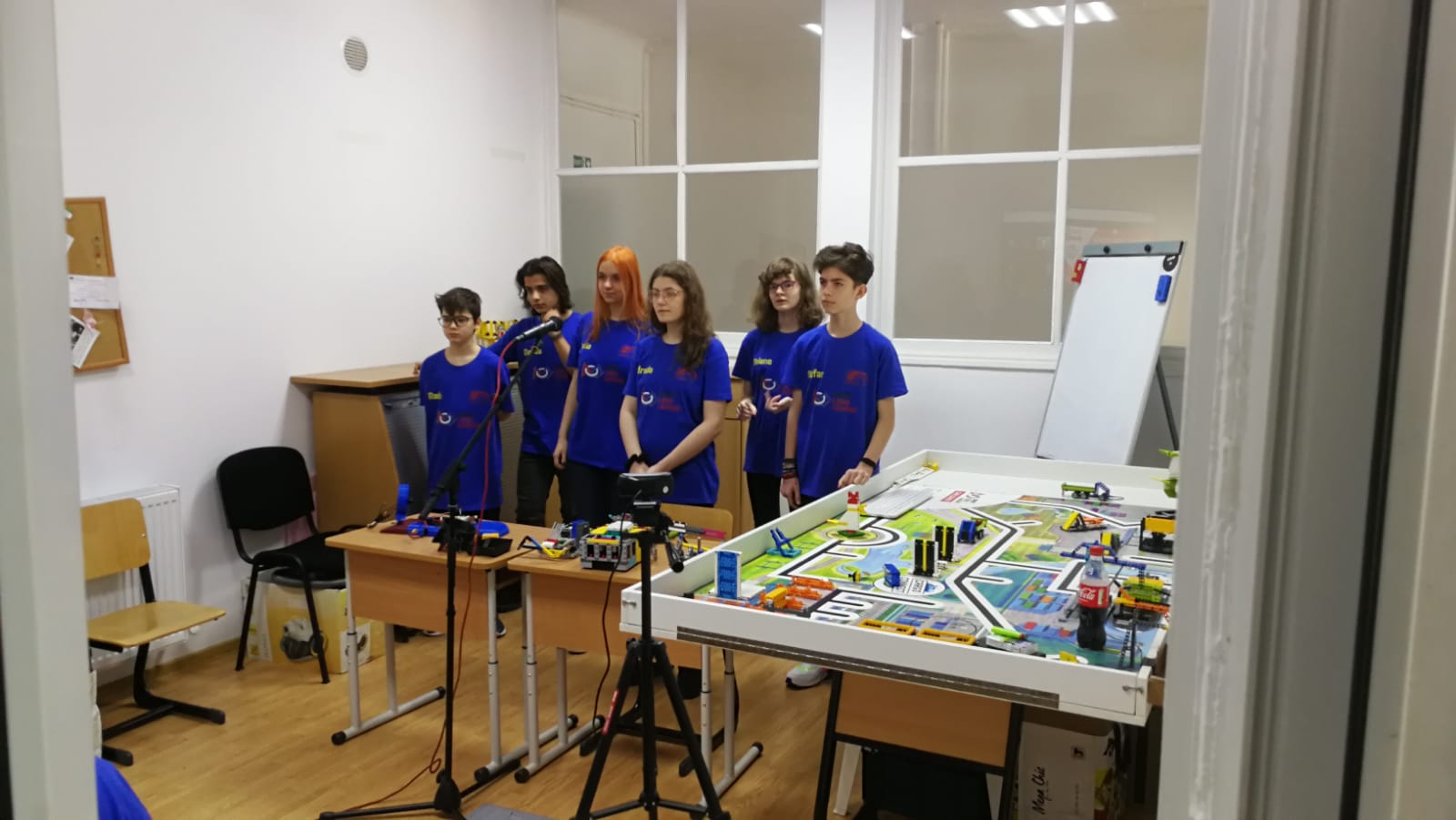
Team: Stefan Paici 11 yo, Selene Stoiovici 12 yo, Radu Petrescu 12 yo, Darius Cimpian 12 yo, Andrada Bratescu 15 yo, Iulia Lumpan 15 yo
Awards: -
Contact: inventikasensoron@gmail.com
EAT (Everywhere, Anytime Transport) is our solution to improve the world of transportation, especially for isolated communities.
EAT represents a network of autonomous, independent hovercrafts that depart from conventional transport routes (roads, highways) and can reach hard-to-access locations. Think of them as containers on water!
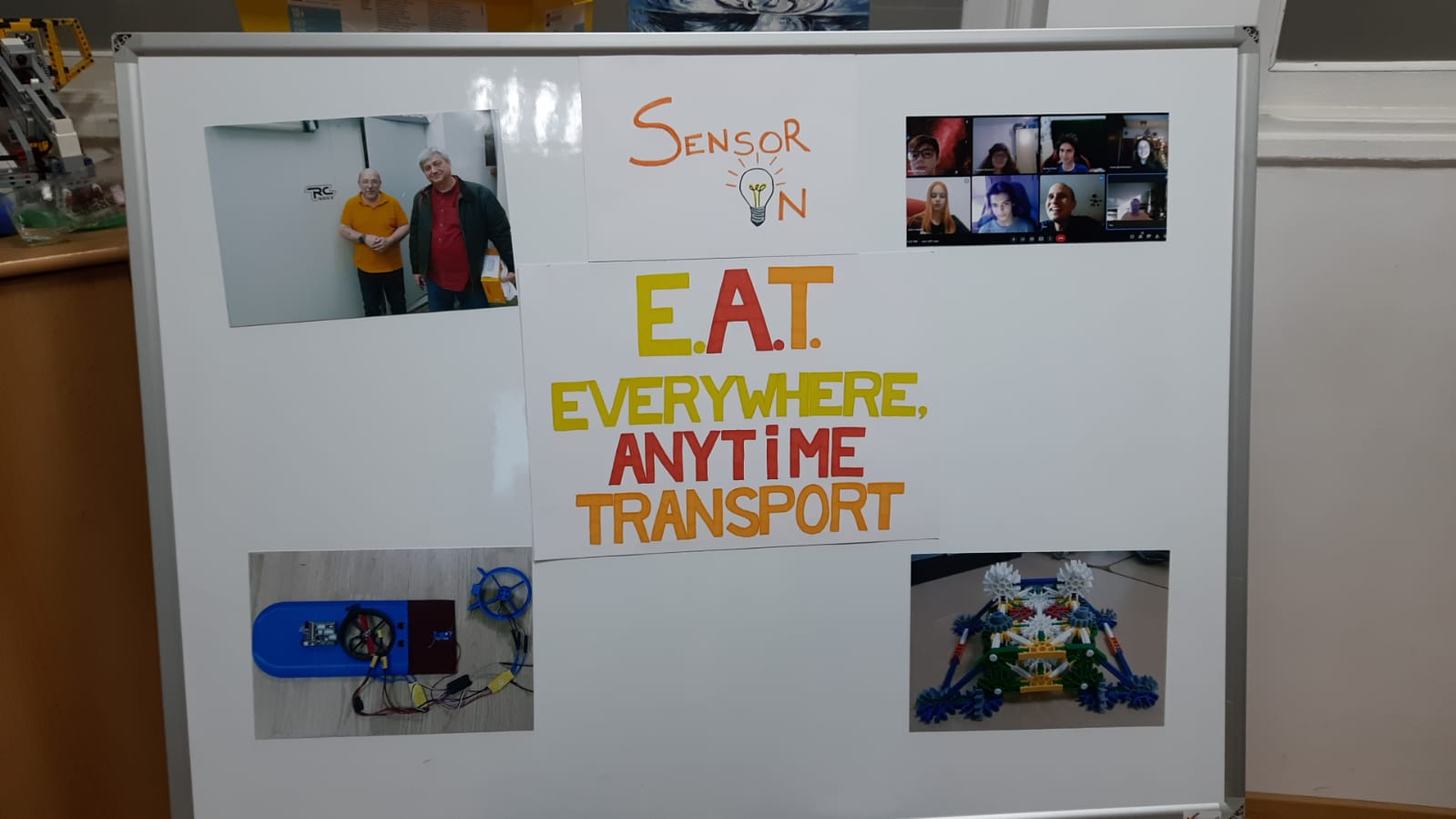
Poster Presentation
One of the main problems in the world of transportation is caused by traffic and road accidents, as well as the logistical issue of loading, unloading, and storing goods. We learned this from our first specialist, Daniel Șerban, former operations manager at Cargo Partner. Therefore, we thought to develop a new means of transport that is accessible on almost any surface (land and water).
We also studied the latest and most efficient transport ideas: high-speed magnetic trains, drones, autonomous cars, and Elon Musk's Hyperloop project. However, each has its advantages and disadvantages. For example, trains have fixed routes, drones can induce panic among the population, legislation and ethics regarding autonomous cars are problematic, and the costs of the Hyperloop project are immense.
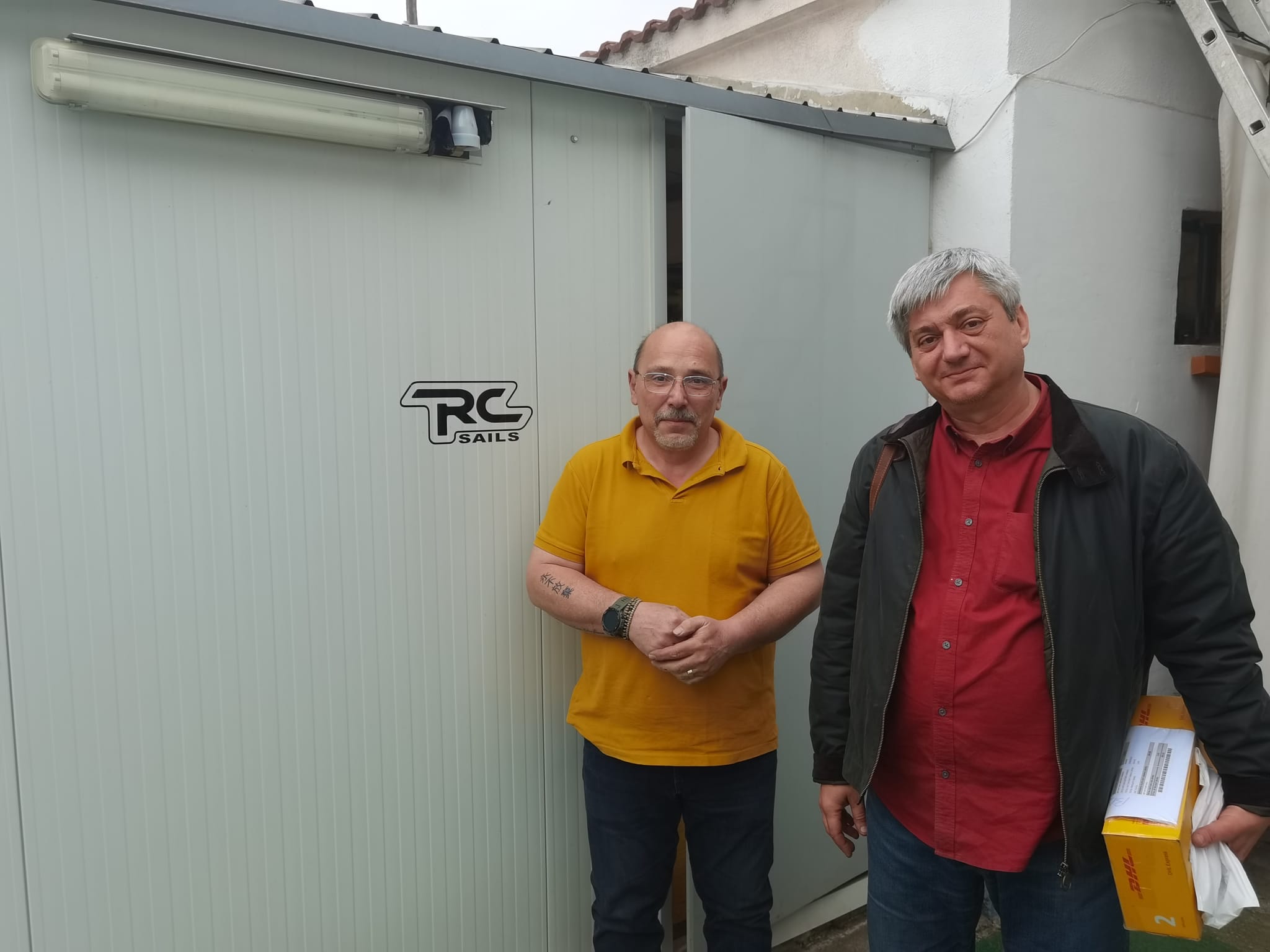
Finally, we arrived at a solution that combines several advantages of the previously mentioned ideas: the autonomous hovercraft. Although the first concept of this vessel, which can pass over a layer of air pressure, originated in 1716, it has been improved throughout the 20th century but somewhat abandoned at times. With help from the Federation of Model Ships and the RCSails team, we learned that this was due to the very high energy consumption, a problem to which we have found a solution. Thus, EAT is the new mode of transport that takes advantage of the hovercraft's versatility, combined with modern technology.
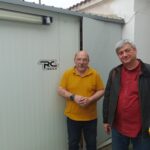
RC Sails Coaches
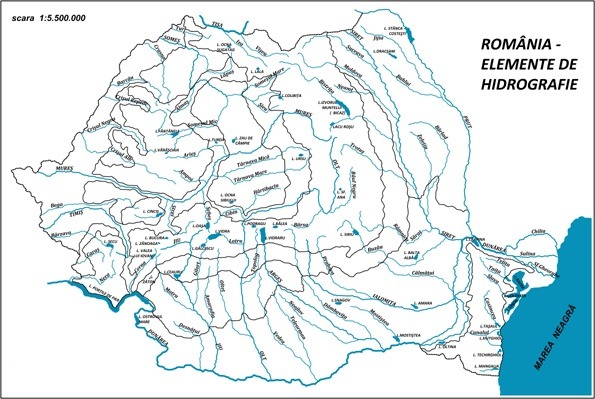
The EAT network involves the movement of containers along the hydrographic network, each vessel having a specific route, referring strictly to portions inaccessible to ships. EAT hovercraft navigation is based on water mapping and ultrasonic sensors to avoid unforeseen obstacles. The vessels will have different sizes depending on the width of the watercourse and the specific route they navigate, between two fixed points, where there will be automatic loading/unloading stations.
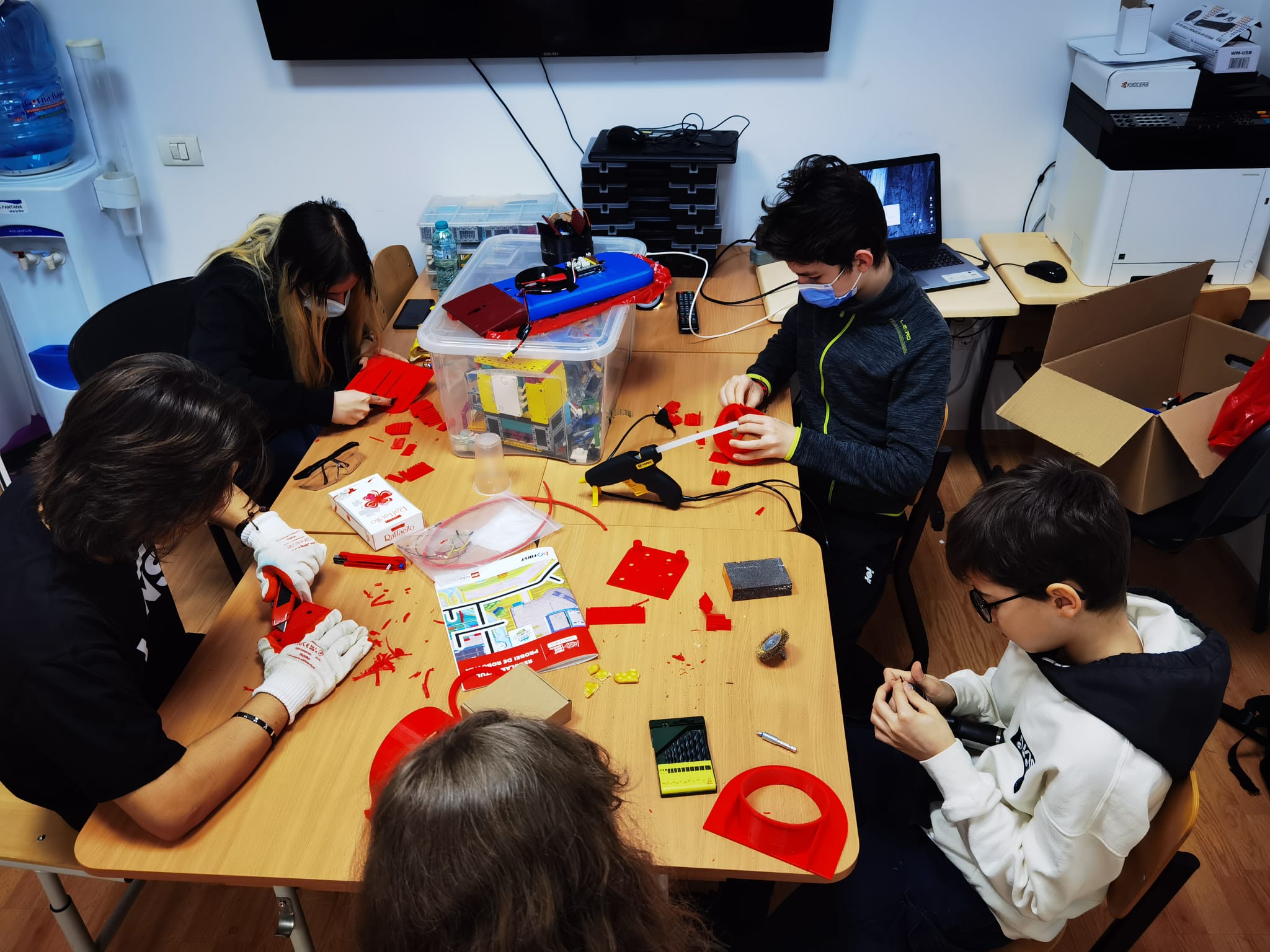
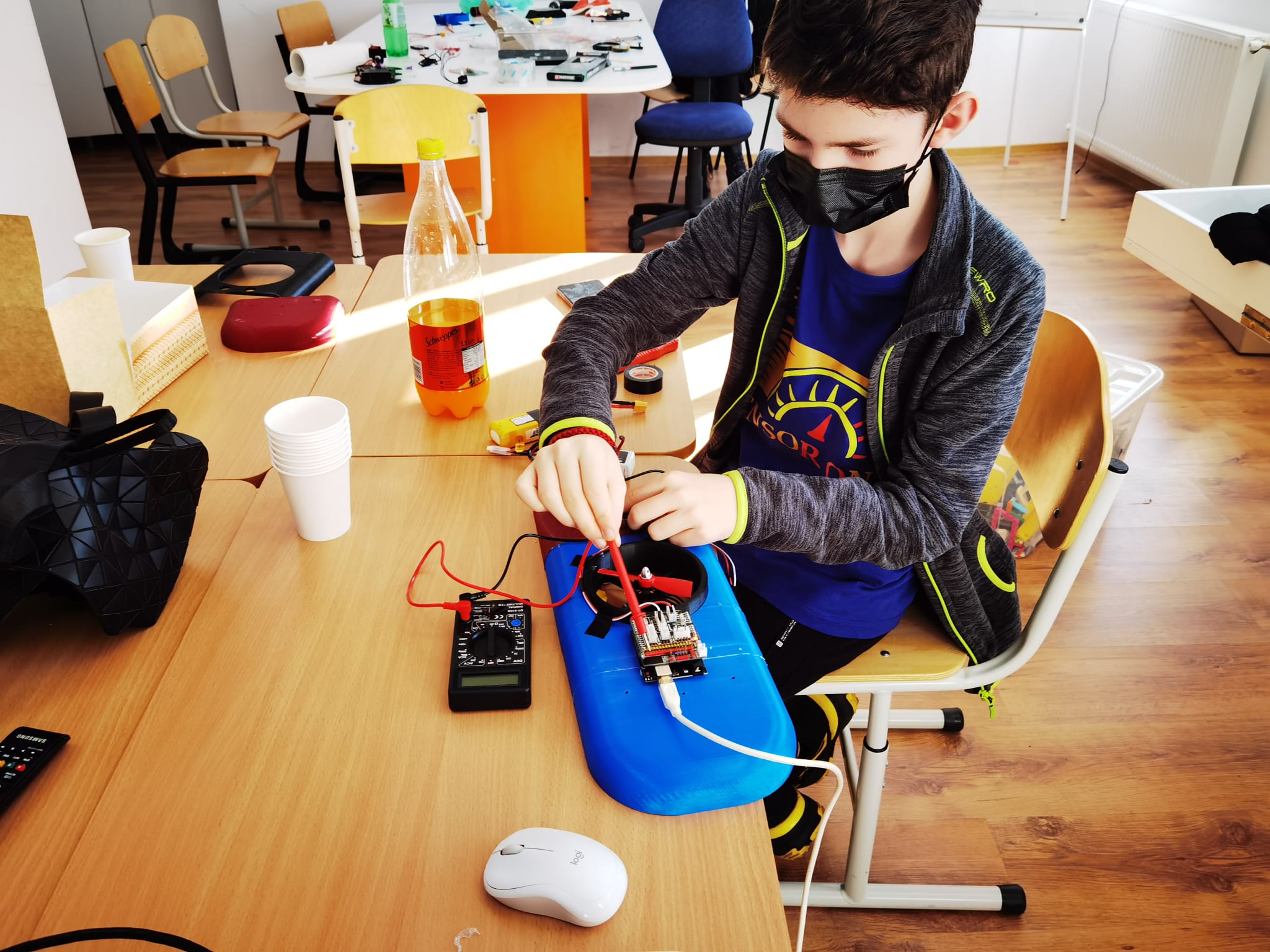
After establishing the basic ideas of the project, we began working on a functional model to present our concept to potential beneficiaries (transport and courier companies). This was the most extensive and challenging part, but also the most fun, as we managed to work together on it.
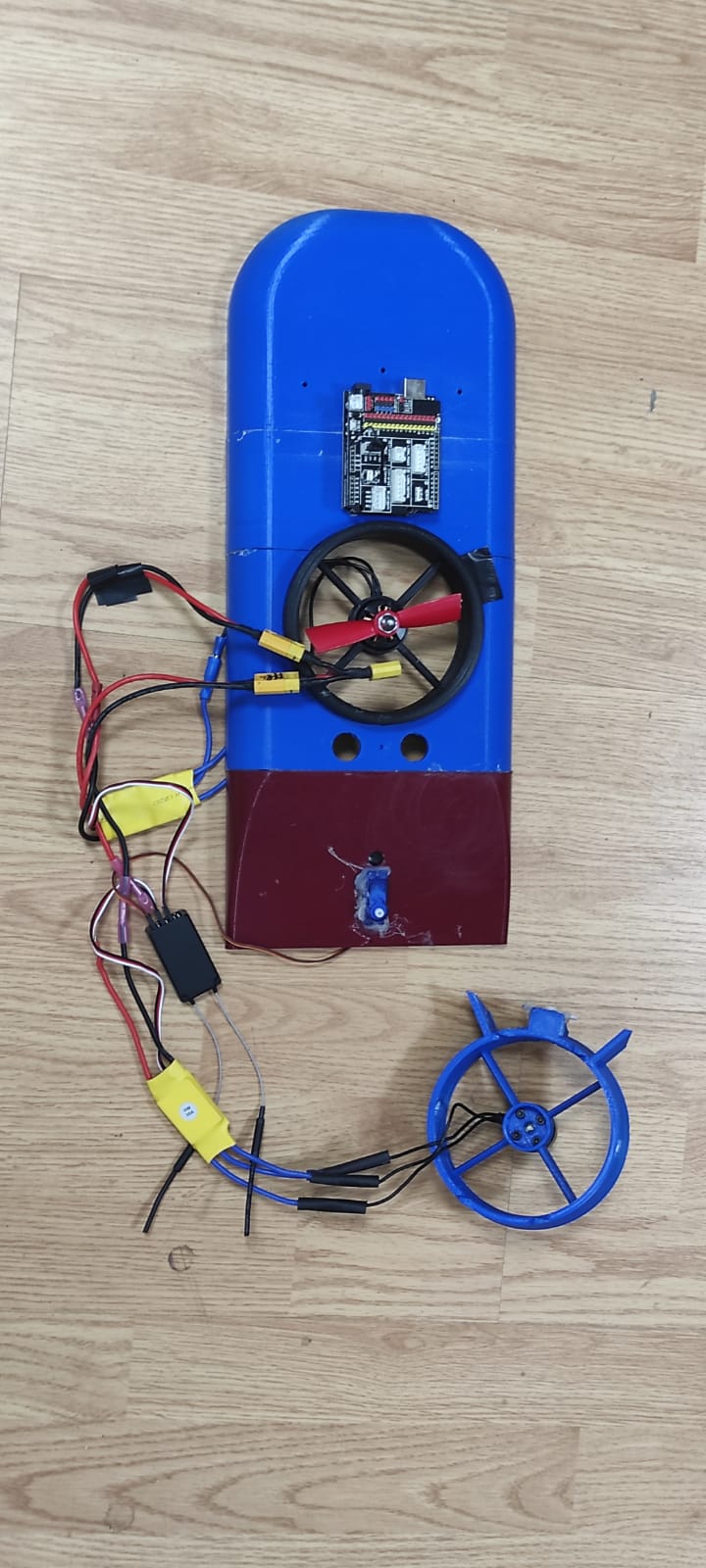
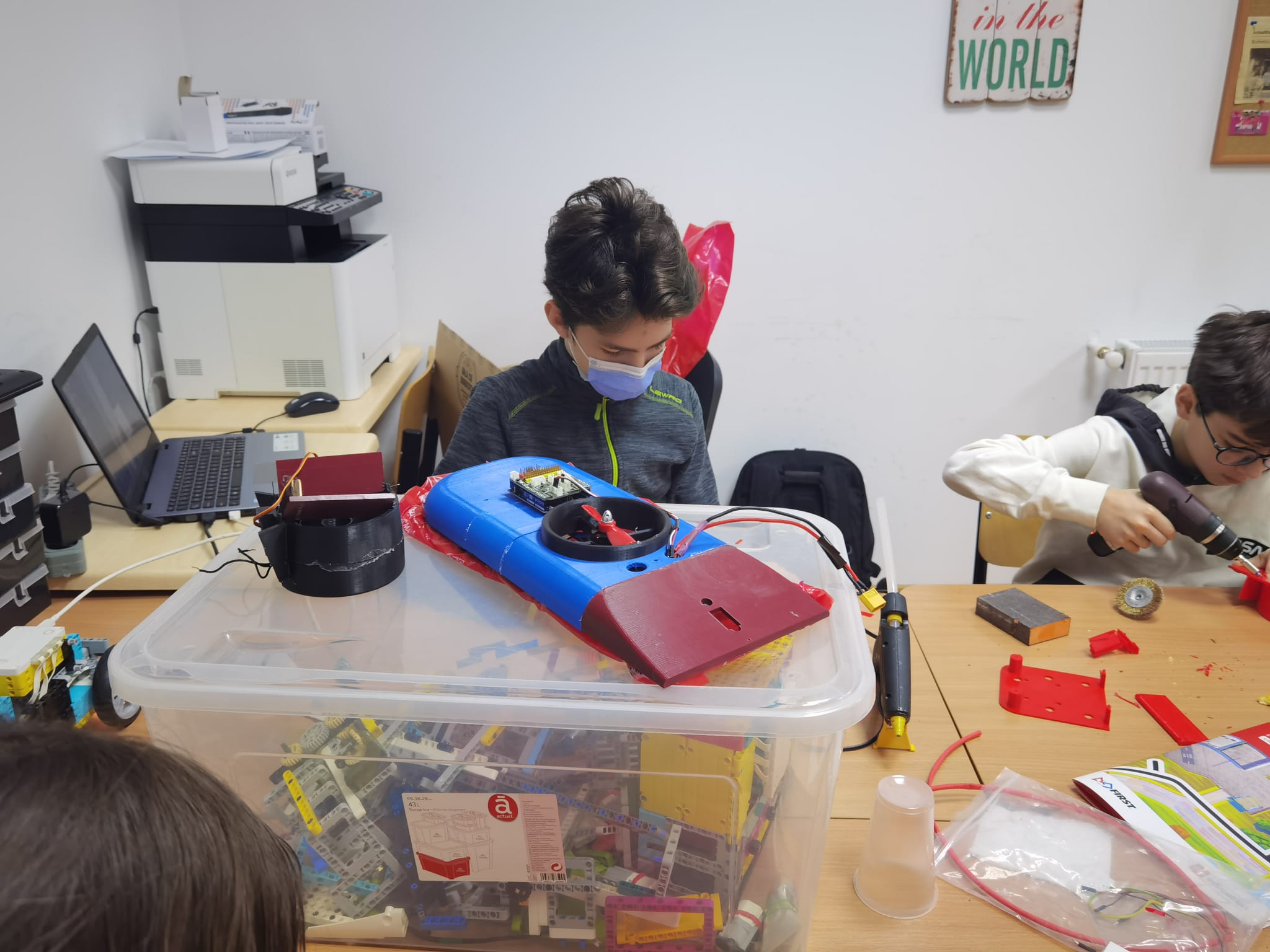
We started with a 3D model from Thingiverse (Check our initial model) , which we modified several times to accommodate the rest of the mechanisms. 3D printing was complicated at first, until we learned the optimal parameters for the printer to function.
We had a version controlled by Arduino, but programming was difficult because there is no specific library for brushless motors that we could import, so we couldn't control it precisely.
We even burned a motor during testing!
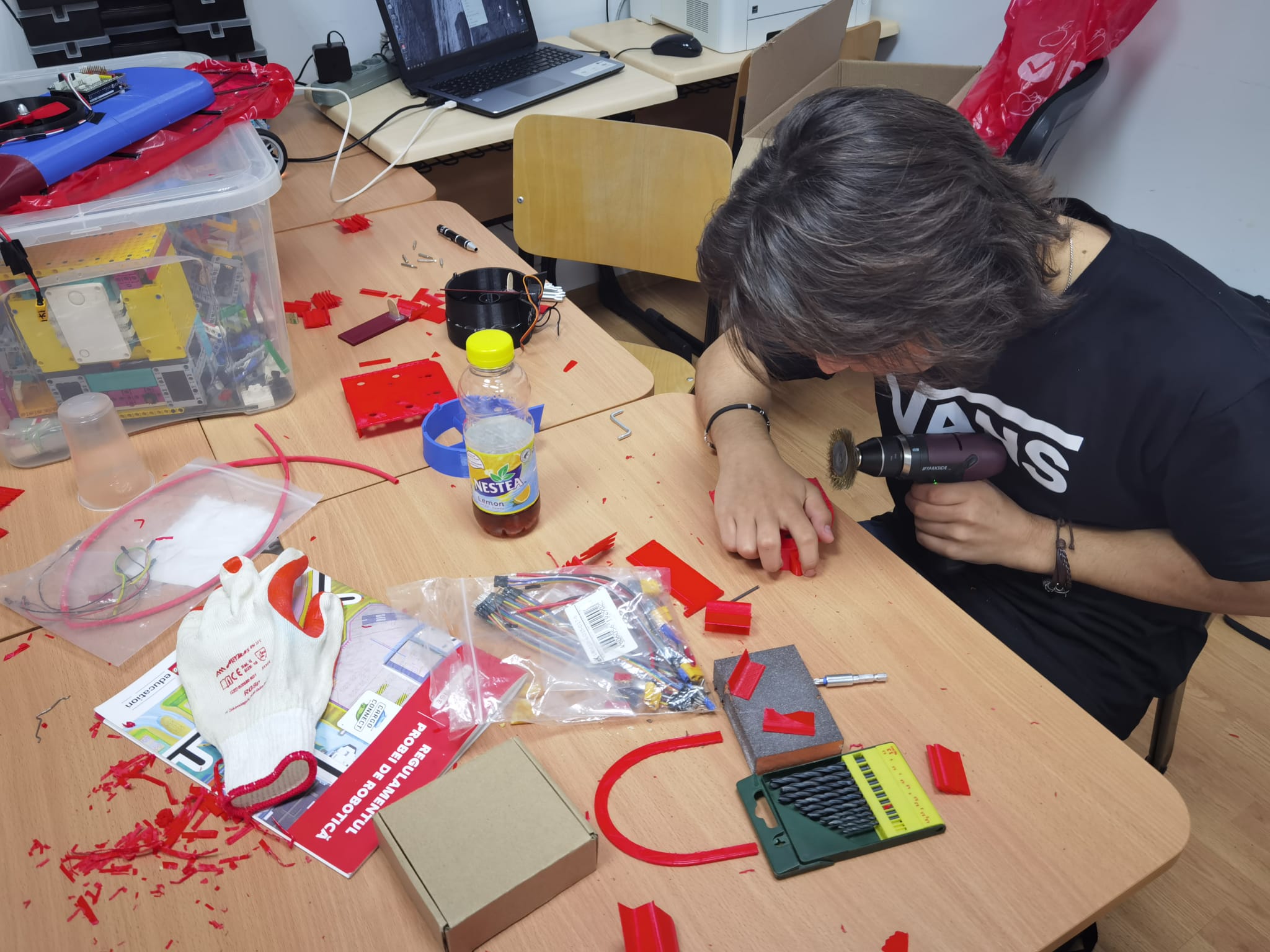
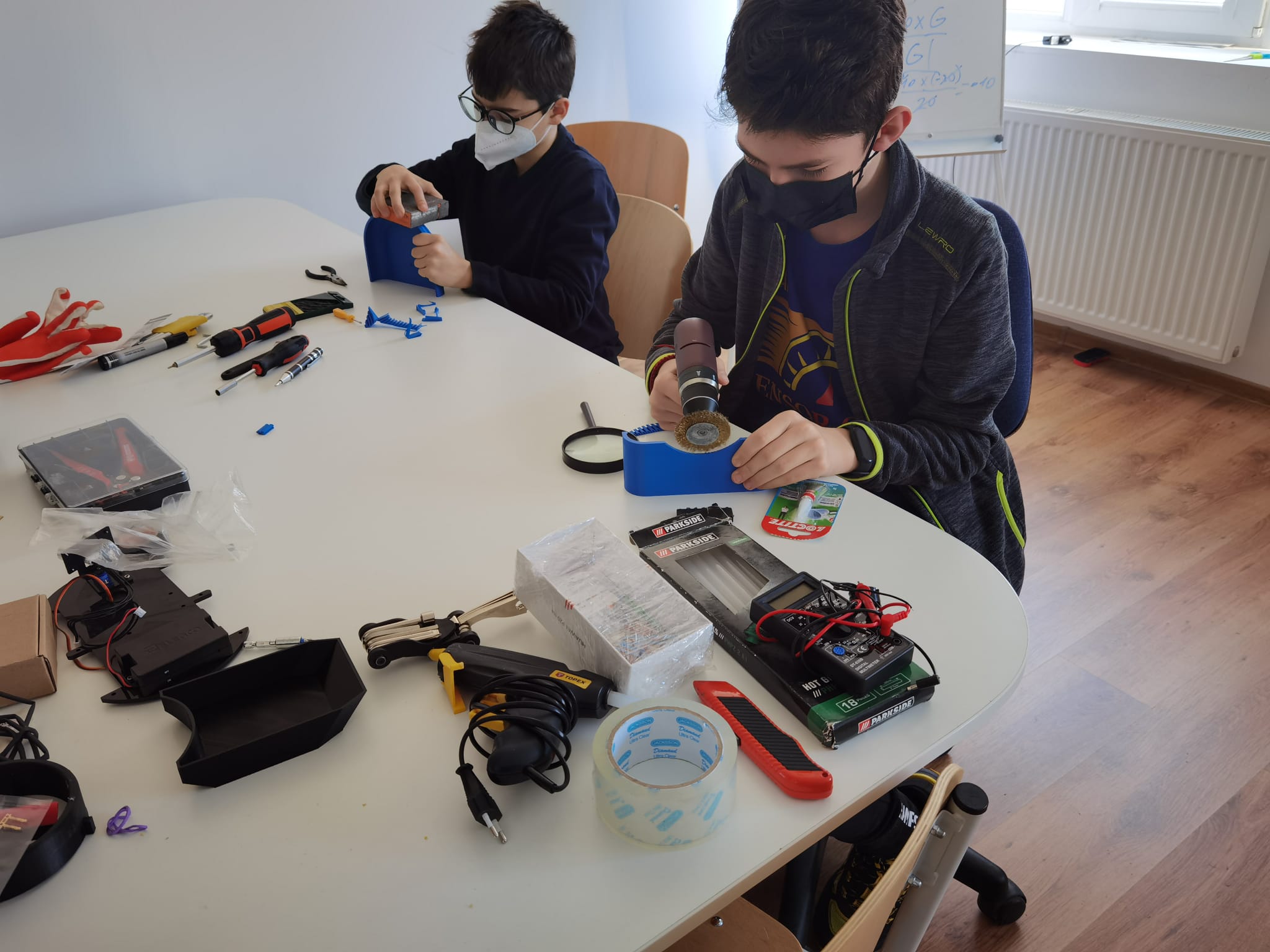
Assembling the project was the most beautiful part, where we had the opportunity to learn how to work with the grinder, drill, electric screwdriver, soldering gun, and crimping pliers. Then we experimented with programming, which proved to be difficult.
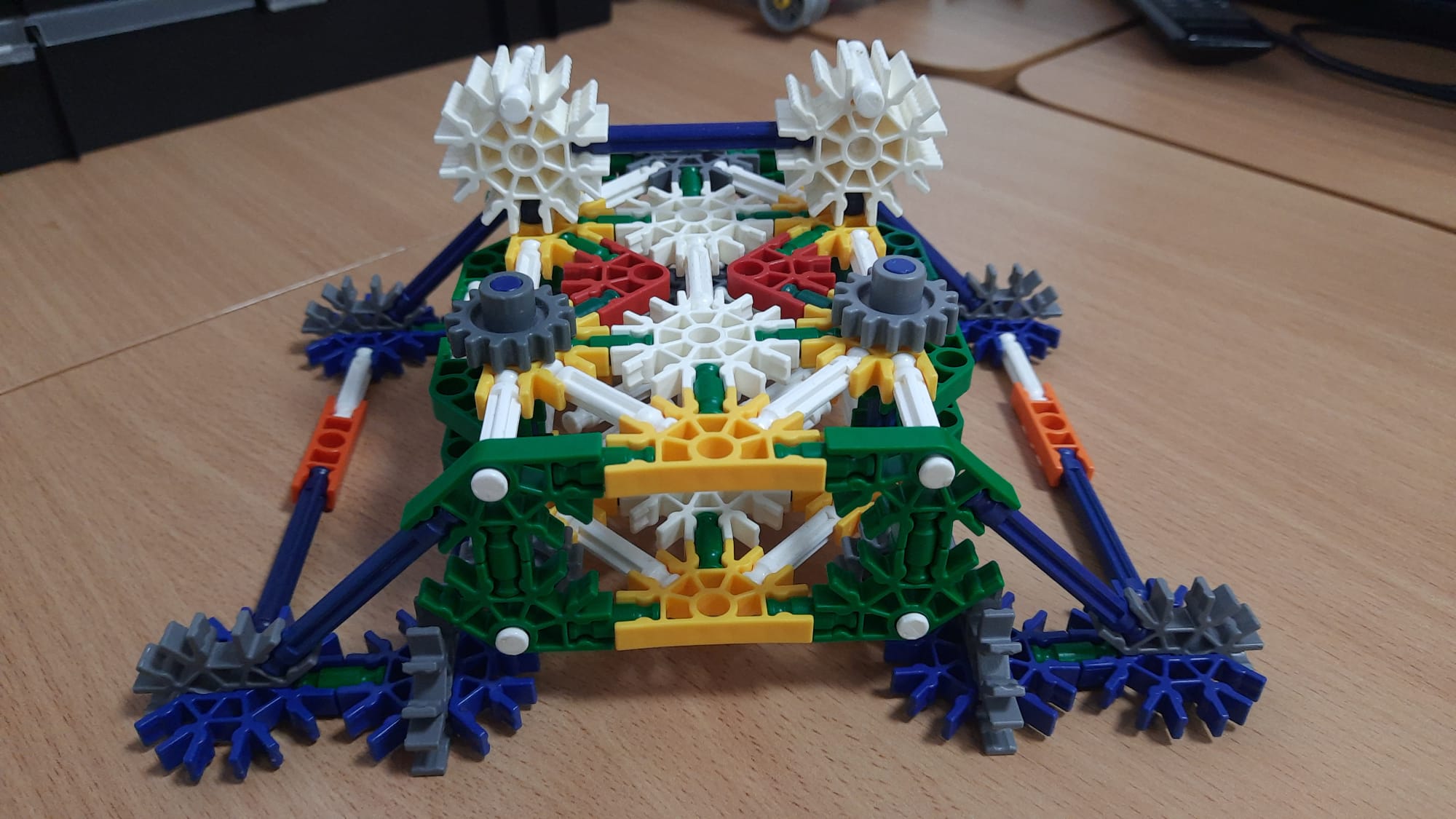
Now we have a second version of the model, built by Radu, where the placement of the motors, the cargo compartment, and the floats are better highlighted. However, after talking with RCSails, we learned that the motor used to create the air cushion consumes most of the energy, so we opted to use floats in this version.
As suggested at the Regional, we presented our project to the transport and logistics company Dachser, top 3 in Europe. Dan Georgescu, operations manager, drew our attention to the transport costs/efficiency. In their case, the calculation is 5 euros/100 kg, using optimized routes in a system built by Mr. Georgescu in Google Sheets, which measures the ratio between two points/postal codes, in this case, between two loading stations.
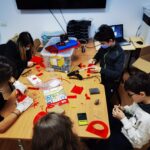
Working at the model
We believe that EAT can achieve this cost by optimizing, as suggested by RC Sails, using floats on water and the lifting motor only on land.
The feedback from Dachser was very good and enthusiastic, considering that this means of transport could be efficient in intermodal transportation, serving an area between two hubs, Main Haulage – in technical language, the standardized transport of fixed units.
Q&A:
Who made the electrical circuit/how did you arrive at this version/where did you know what motors/batteries etc. to take? We started with a model seen on YouTube, where the electric circuit was explained, and we found the 3D construction on Thingiverse. The brushless motors go through a 30-amp driver, then are powered by a 12-volt battery.
What program did you use for the 3D printer/what 3D printer do you have/any question related to the 3D printer. We used a Prusa printer that we have at our school. We printed with Print 3D from Windows, made modifications in Prusa Slicer, and also used Tinkercad for modify and personalized 3D design (www.tinekrcad.com – check it out to see what it looks like).
What do you think you could improve in your project? We could install small solar panels, rotors to recover energy when going downstream. With Dachser, we also talked about hydrogen-powered vehicles, a very interesting technology, especially since hydrogen production is done by recovering carbon dioxide from the atmosphere, so polluted areas would benefit.